Welcome to the project
Documenting Gender Apartheid
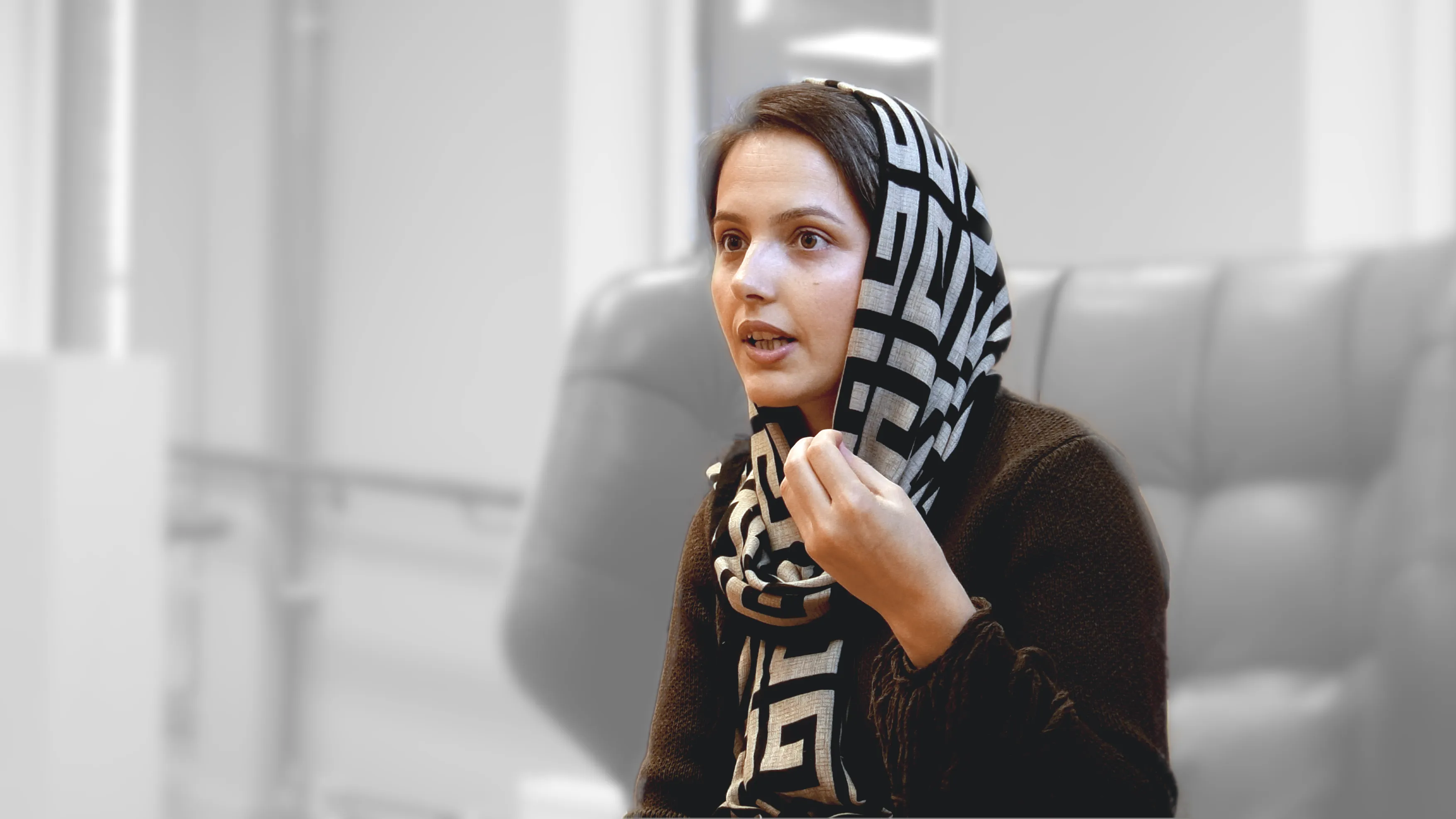
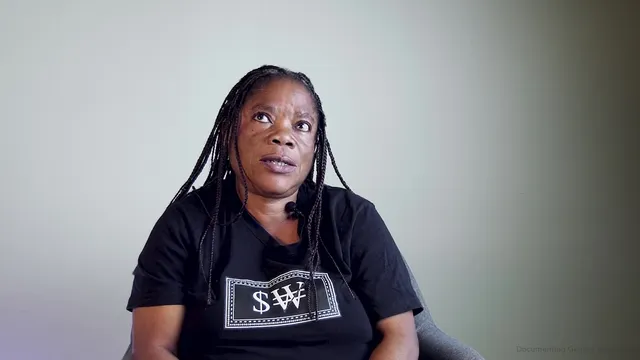
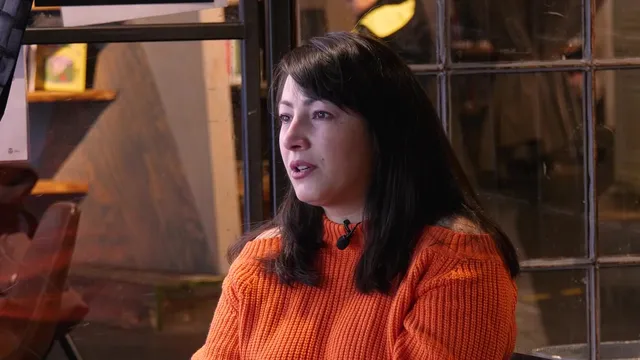
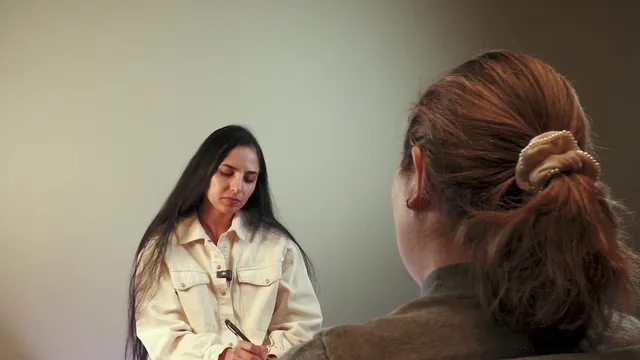
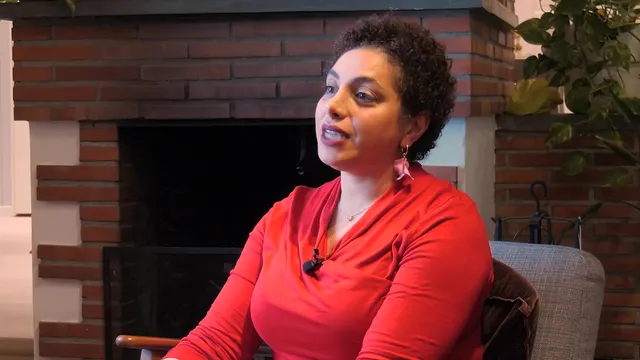
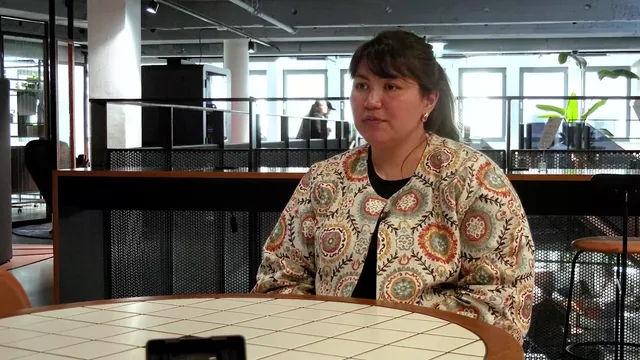
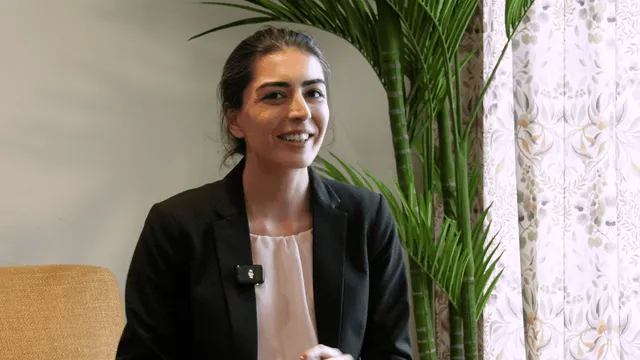
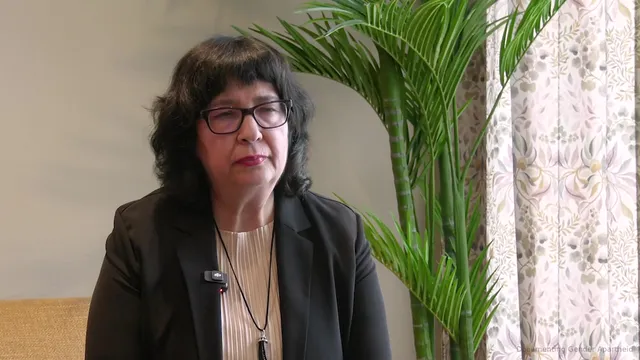
Gender apartheid is when the repression of women forms a fundamental part of how a country is governed. This project begins with the women who have lived under these regimes. We want to preserve their stories in their own voices, creating a record that can be read, listened to and remembered.
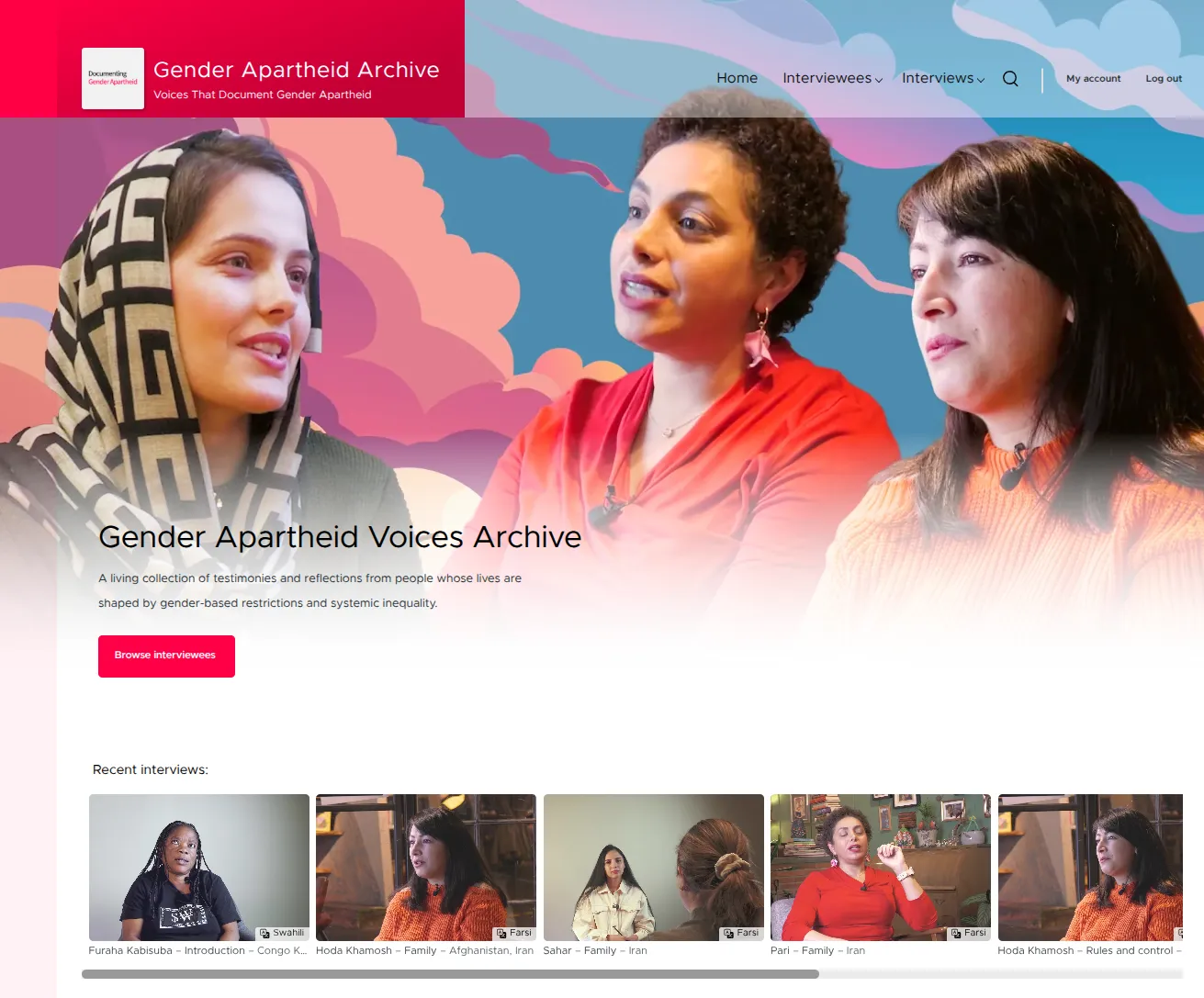
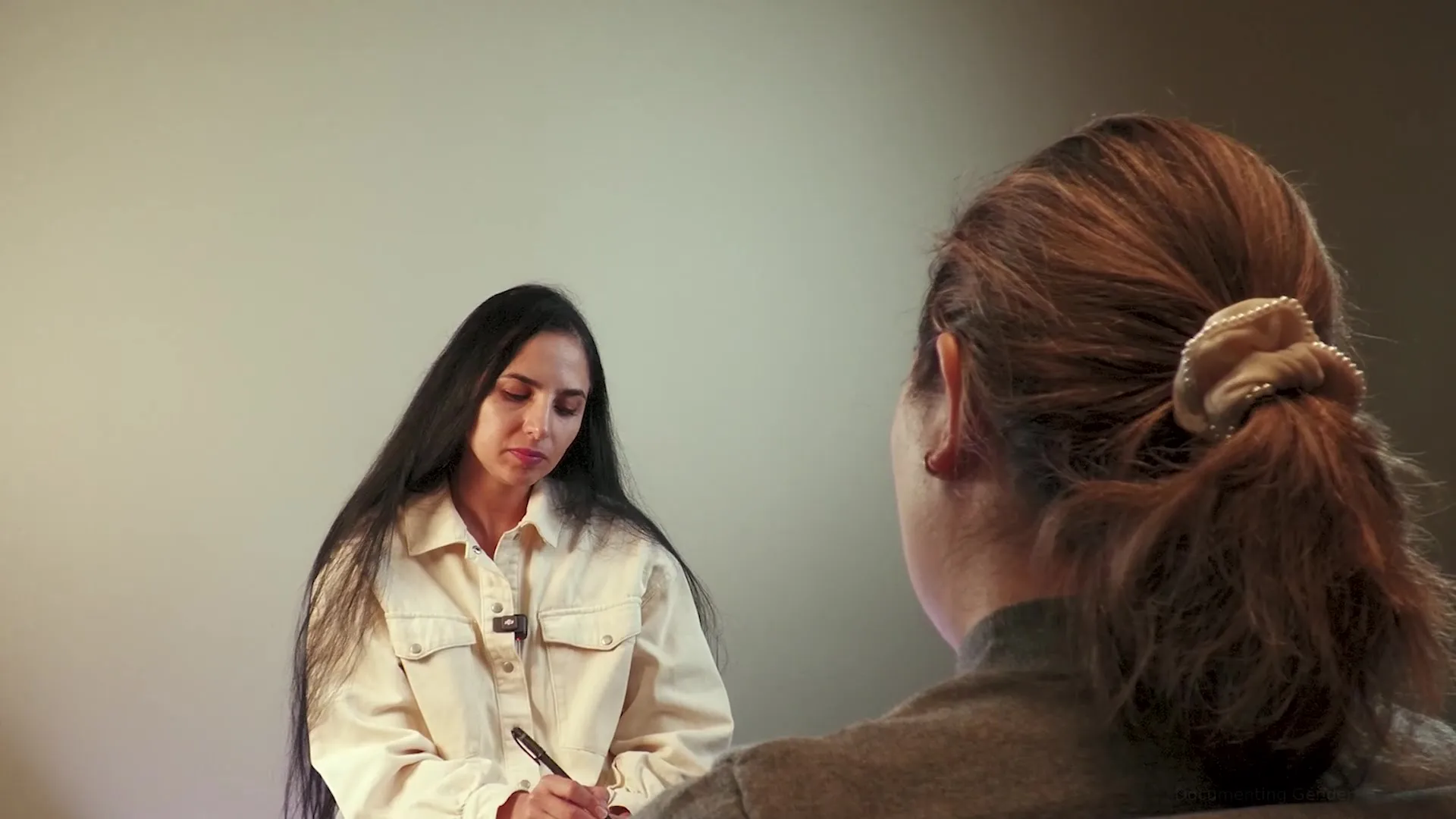
The project is building a record of more than 100 first-hand interviews with women now living in Norway who have come from countries where women are deliberately treated as second-class citizens. We talk to them about life there, but also about what happens after they leave - including how control, isolation and restrictions can follow them across borders or continue within communities.
In Norway, where we place a high value on equality and these stories can help us understand an often overlooked part of our society and open up conversations about integration and belonging.
Partners & supporters






The project
Documenting Gender Apartheid
Through first-hand interviews, the project documents how gender apartheid shapes individual lives, resistance, migration and integration.
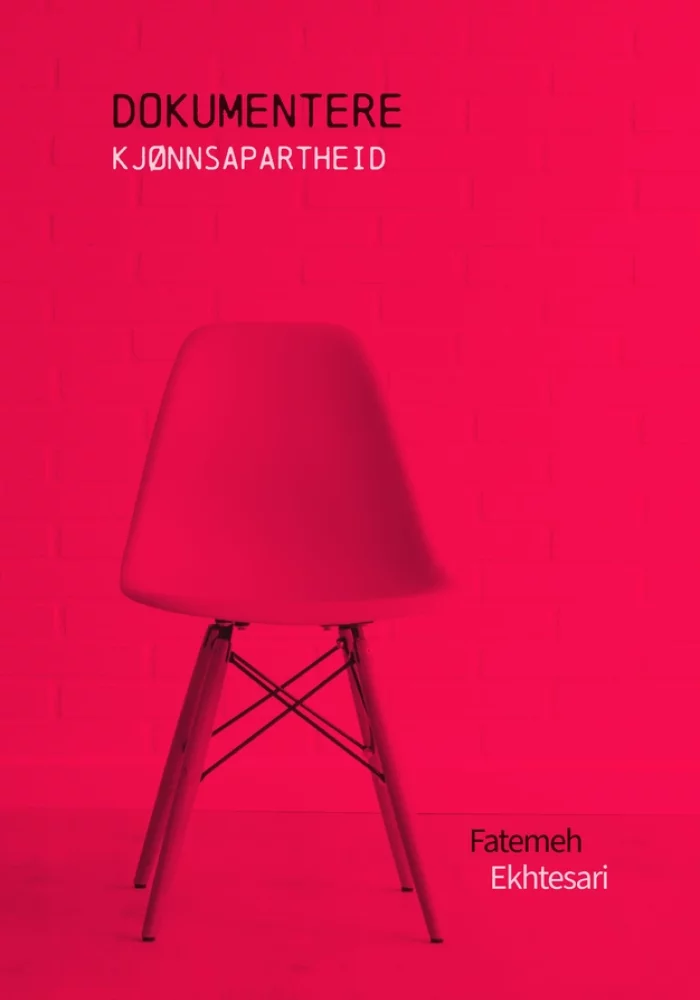
These testimonies will form the basis of a new book and a complete interview archive, bringing these stories to a national audience while preserving them for the future.
Understanding Gender Apartheid
What is Gender Apartheid?
Gender apartheid describes a system of governance in which women are systematically subordinated through laws, state institutions and enforced social practices.
Under gender apartheid, the state creates and enforces a national framework that applies to women because they are women, regulating fundamental areas of life such as movement, education, work, family life and participation in public life.