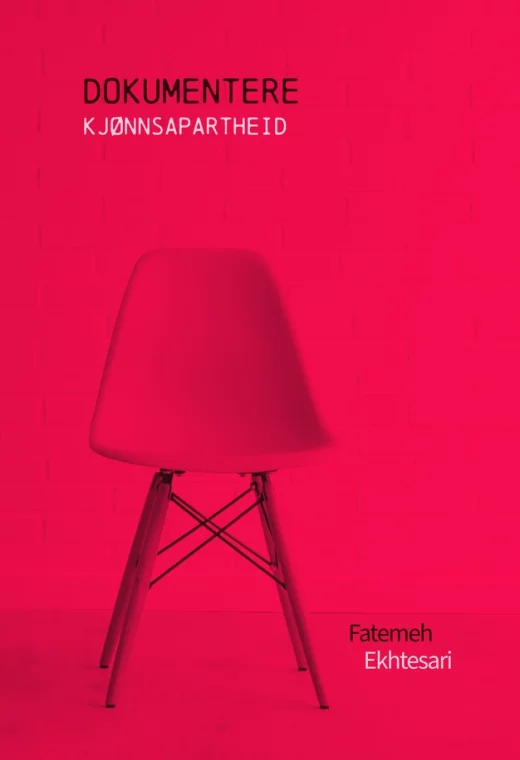
Literary project
The Book
Literary profiles that place individual lives within their wider political, social and historical context giving the reader the complete story.
About the bookThe project
Documenting Gender Apartheid is a Norwegian project recording the experiences of women living in Norway who have lived under systems of gender apartheid.
Through long-form interviews, the project explores their lives before and during those experiences, migration, life in Norway, and the ways the legacy of gender apartheid can continue after migration.
From the interviews
Literary project
Literary profiles that place individual lives within their wider political, social and historical context giving the reader the complete story.
About the book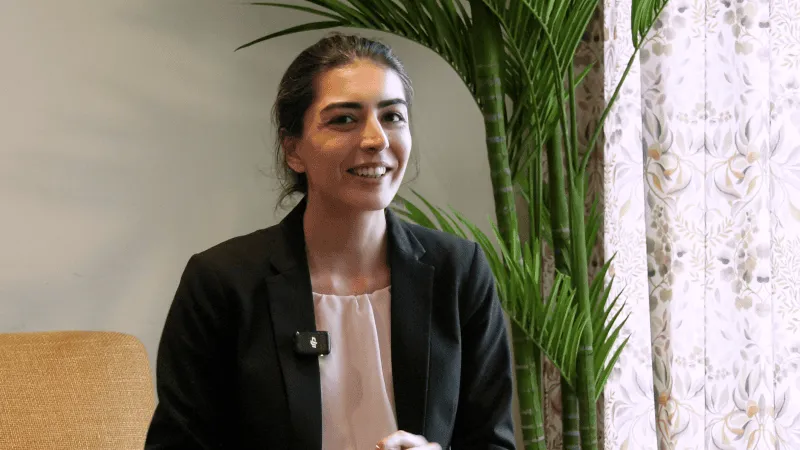
Public archive
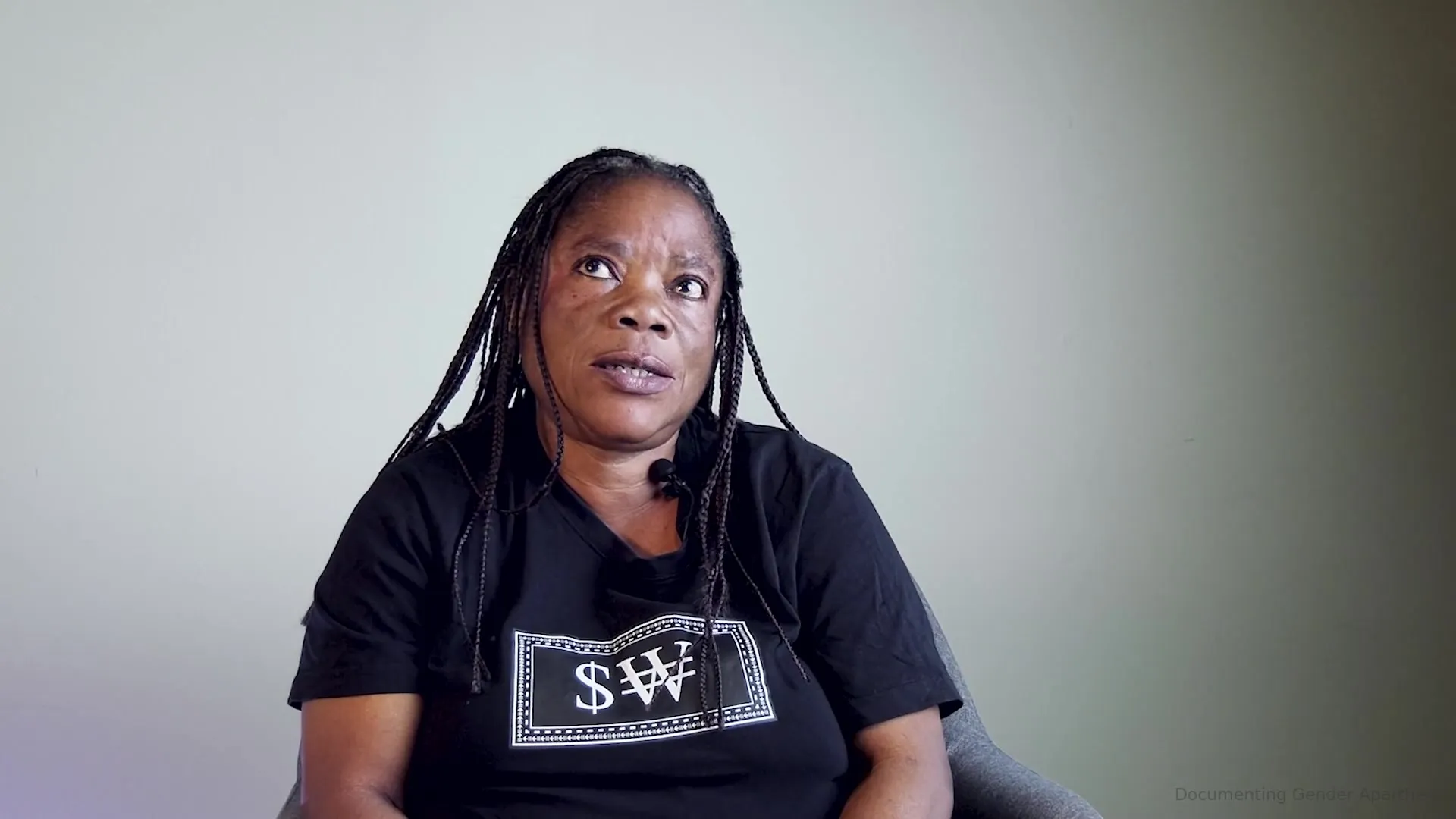
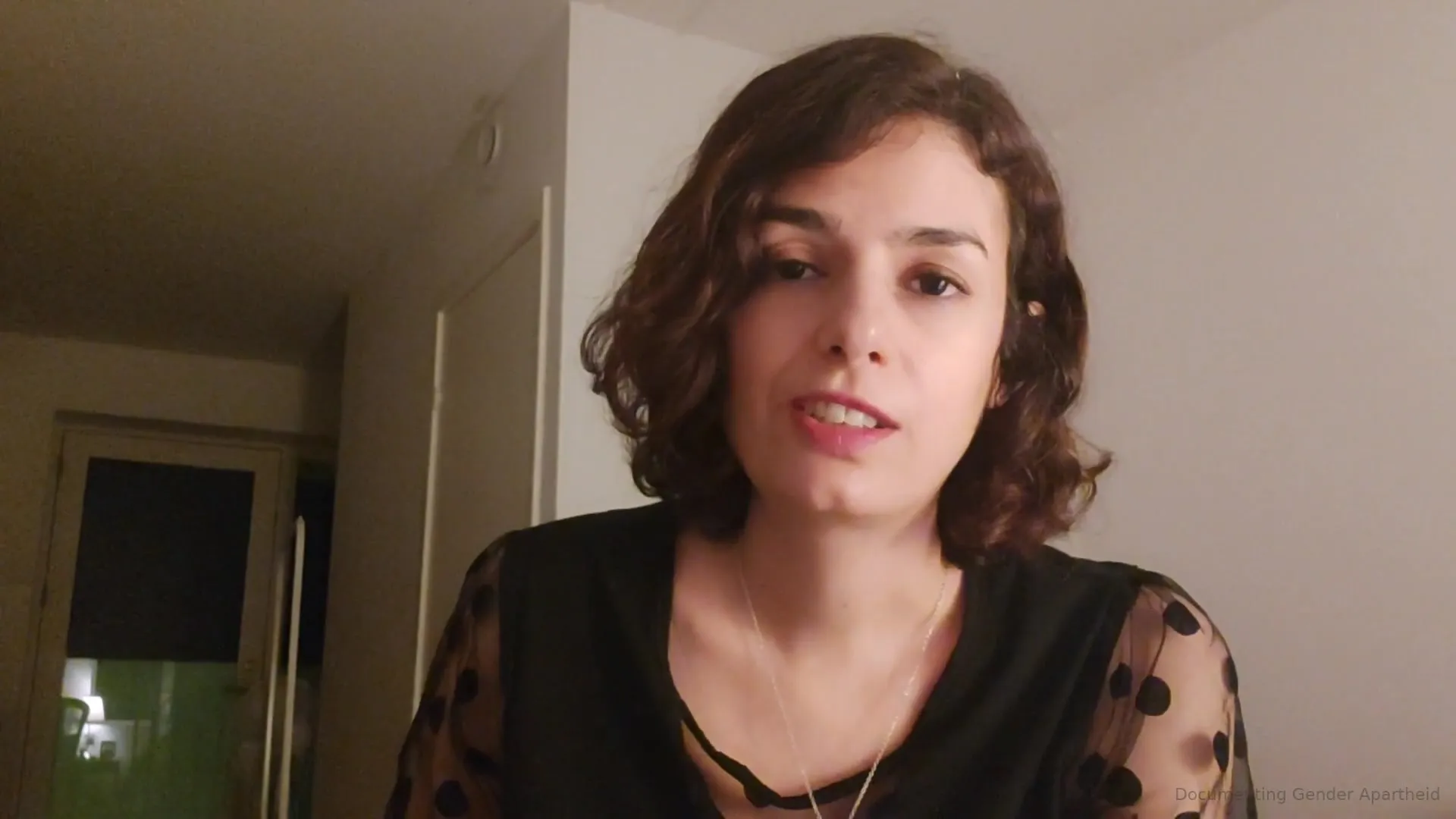
Where an interviewee has agreed that filmed material may be shared publicly, selected excerpts from the interview can be published through the Voices of Gender Apartheid archive.
Visit VoicesWomen's own voices
Gender apartheid is often described through governments, laws and political events. The interviews begin somewhere different: with the lives of women who have experienced those systems themselves.
The conversations include childhood, education, family, relationships, work, restrictions and resistance, but also migration, belonging and the experience of building a life in Norway.
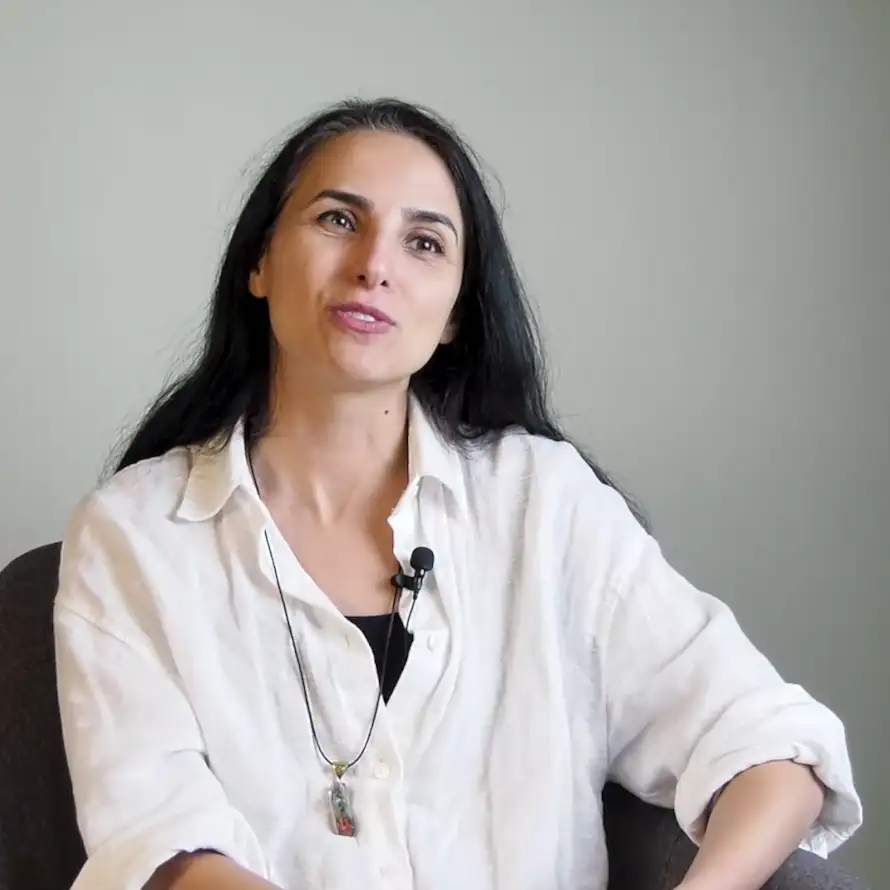
Project curator
Fatemeh Ekhtesari is an Iranian writer, activist, translator and former political prisoner living in Norway. She spent much of her life under the Iranian regime and was imprisoned for her writing. After being sentenced to 11 years in prison and 99 lashes, she was forced to flee Iran.
That experience gives her first-hand understanding of censorship, political repression and the restrictions imposed on women — but also of resistance, exile and rebuilding a life elsewhere. It shapes the way she approaches the women interviewed for this project and the political, historical and cultural circumstances behind their stories.
Since arriving in Norway, Fatemeh has published two books in Norwegian, Hun er ikke kvinne and Vi overlever ikke, and has spoken to audiences across Europe about Iran, freedom of expression and women’s rights, including at the Nobel Peace Center and before the United Nations.
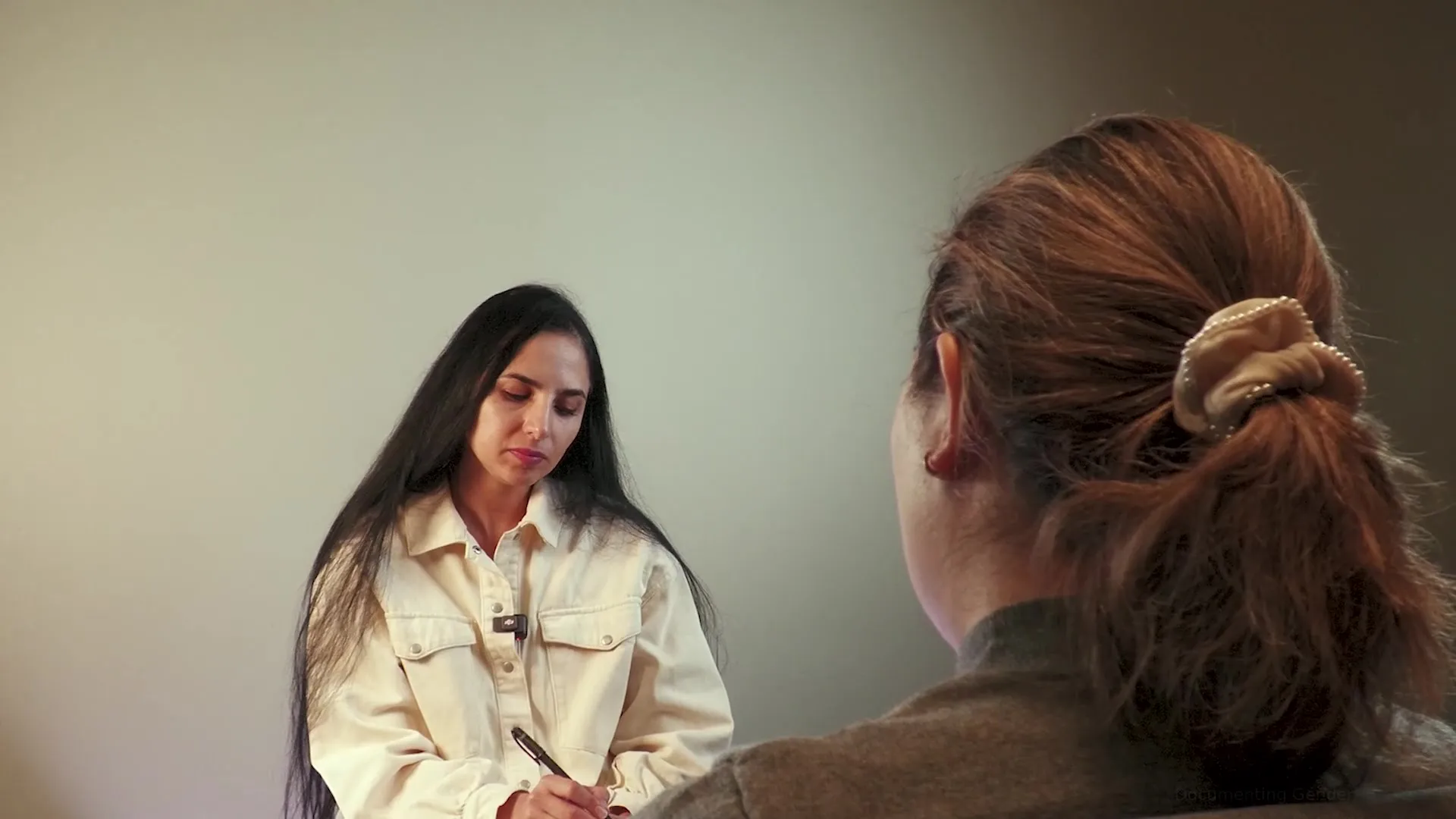
For Documenting Gender Apartheid, she leads the interviews, research and development of the material, bringing together personal testimony with the wider context needed to understand it.
How we work
Our approach is built around understanding context, listening carefully and preserving each woman’s account in her own voice.
We research the political, historical and social context before each interview, with support from Sic Publishing, so that we can recognise the nuances of each woman’s story and ask informed questions.
The interviews are long-form conversations, giving women the time and space to describe their lives in their own words and to decide what matters in telling their story.
We aim to ask sensitive but probing questions, informed by research and attentive to the personal, cultural and political circumstances surrounding each experience.
Interviews are transcribed and translated where necessary, with particular care to preserve the interviewee’s meaning, perspective and individual voice when material is prepared for publication.
Why Norway?

Most of the women we interview now live in Norway. We ask about life under gender apartheid, but also about what came afterwards: migration, integration, belonging and the ways restrictions and expectations can continue after leaving the country where they began.
Norway places equality at the centre of its national identity. This project looks at a part of Norwegian society that can be easy to overlook, giving women space to describe both the freedoms they have found here and the barriers that may remain.